
Including Your Child Who Uses AAC This Valentine’s Weekend: Keep It Core, Keep It Simple
Valentine’s Day doesn’t need to be complicated to be meaningful — especially for a child who uses AAC (Augmentative and Alternative Communication). In fact, the most powerful connection often happens through core language and simple, repeatable vocabulary.
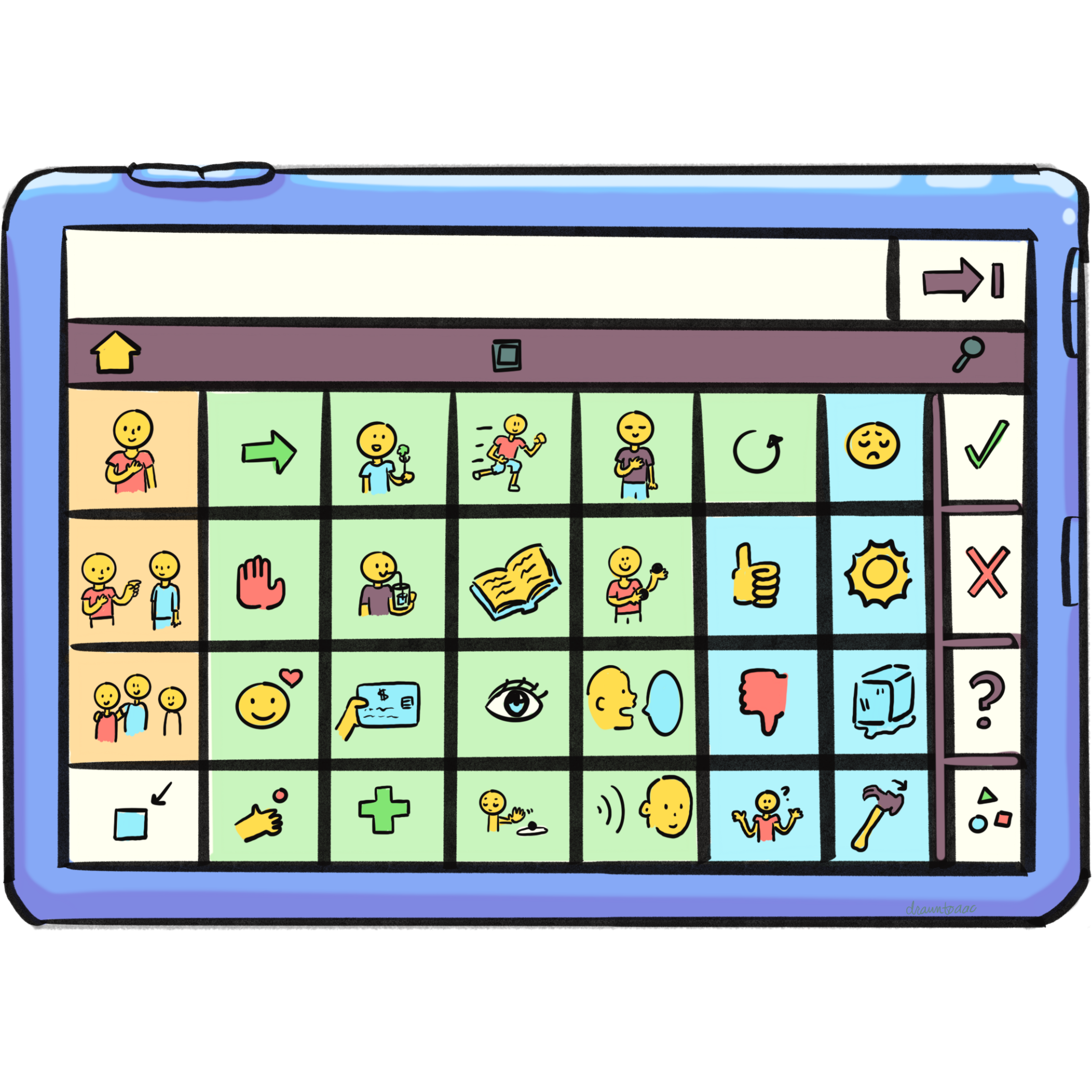
Core words are high-frequency words like go, want, like, help, more, stop, in, on, big, little, good. These words make up the majority of what we say every day. When you focus on core language during holiday activities, you give your child access to communication that is flexible, functional, and meaningful.
Here’s how to do it this Valentine’s weekend:

1. Model Core Words During Simple Activities
Whether you’re baking cookies, making valentines, or watching a movie, narrate with core words on your child’s device:
“Want more?”
“Put it in.”
“That’s good!”
“Let’s go.”
“I like that.”
You don’t need full sentences. In AAC intervention, modeling single words or short phrases is often more effective than long language strings. Keep it natural and brief.
2. Focus on Feelings — But Keep It Accessible
Valentine’s Day is centered around love and connection. Instead of jumping to abstract words like adore or cherish, anchor to simple vocabulary:
like
love
happy
fun
good
You can model:
“I love you.”
“This is fun.”
“You look happy.”
Core words allow your child to participate in emotional exchanges without overwhelming language demands.
2. Focus on Feelings — But Keep It Accessible
Valentine’s Day is centered around love and connection. Instead of jumping to abstract words like adore or cherish, anchor to simple vocabulary:
like
love
happy
fun
good
You can model:
“I love you.”
“This is fun.”
“You look happy.”
Core words allow your child to participate in emotional exchanges without overwhelming language demands.
3. Build Repetition Into the Day
Repetition builds motor planning and linguistic confidence on AAC systems. During activities, intentionally reuse the same words:
“More?”
“More?”
“More cookies?”
“More glue?”
Repetition is not redundant — it is a teaching method.
4. Create Opportunities to Communicate
Pause during activities and wait. Hold up two decorations and model:
“You want this?”
“Or this?”
Give your child space to respond. Communication grows in the pause.
5. Keep Expectations Realistic
Inclusion doesn’t mean perfection. It means access.
If your child independently says one core word during an activity — that’s meaningful participation. If they watch while you model language — that’s exposure. Both matter.
The Takeaway
Valentine’s weekend is about connection. When you prioritize core language and simple vocabulary, you reduce pressure and increase access.
You don’t need themed fringe vocabulary to make the day special. Words like go, want, like, help, more, stop, good, love are enough.
Connection happens in the simple moments — and core language makes those moments accessible to every child. ❤️
Still looking for the perfect Valentine’s plan? Skip the shipping times and download our Valentine’s Digital Products instantly. It’s everything you need for a thoughtful date night at home.
